
Mushroom Anatomy & Identification
Understanding the parts of a mushroom — cap, gills, stalk, annulus, volva — is essential for identification. Learn what to look for and how to make a spore print.
Parts of a Gilled Mushroom
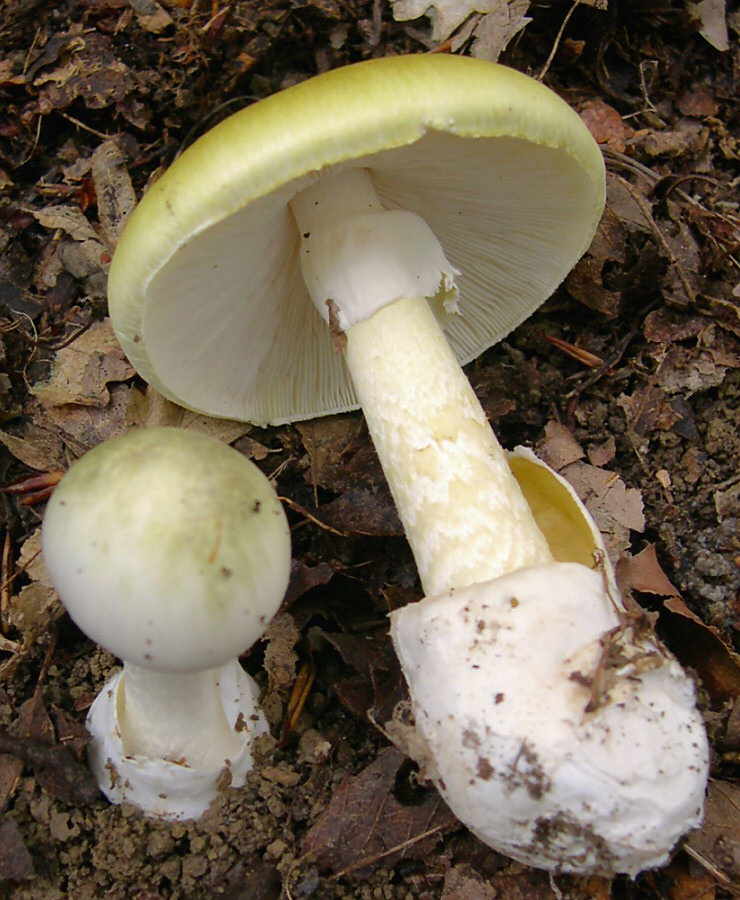
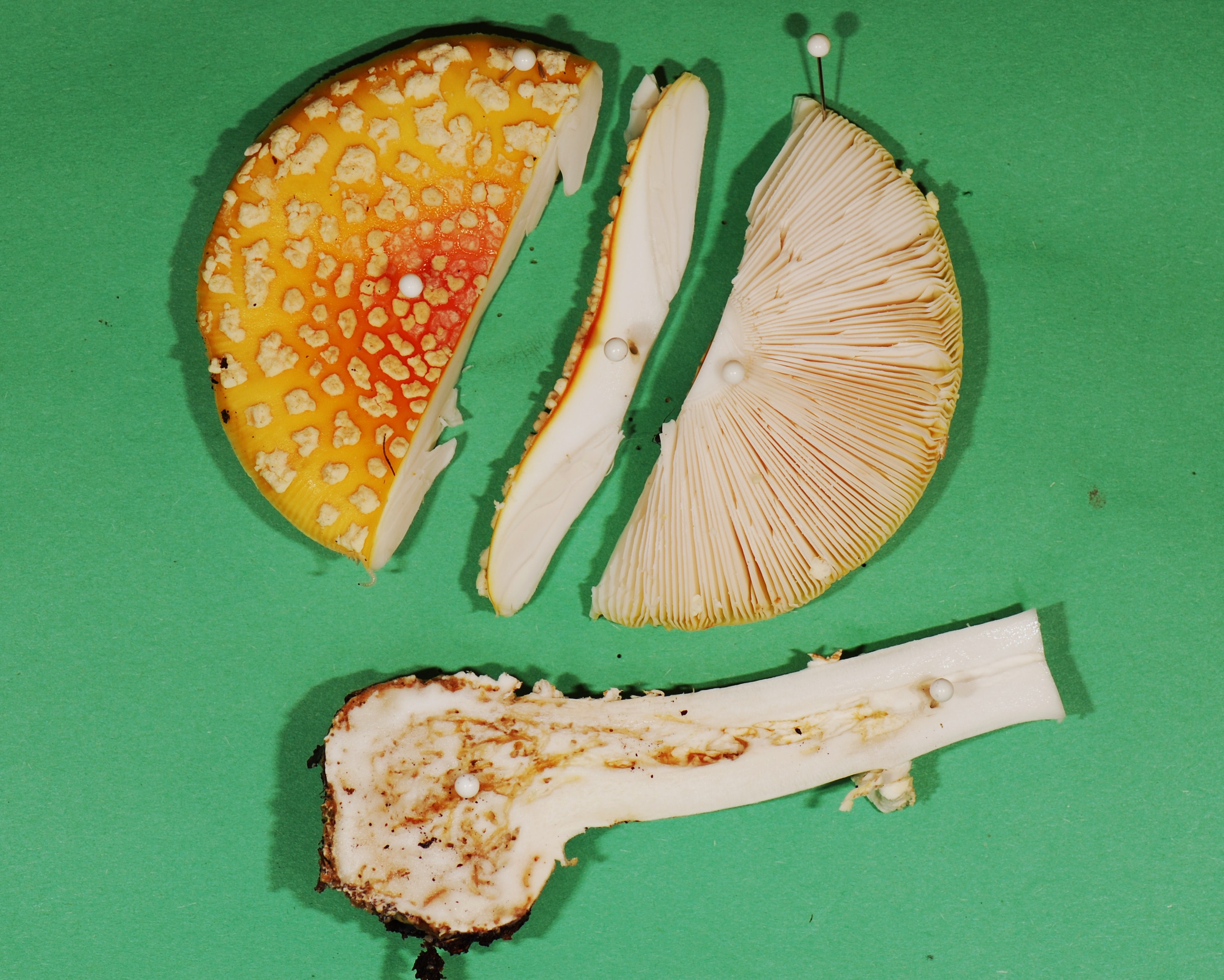
Cap (pileus): The top of the mushroom. Note its shape (convex, flat, funnel-shaped), colour, size, surface texture (smooth, scaly, slimy), and whether the margin is smooth, lined, or wavy.
Gills (lamellae): The blade-like structures underneath the cap where spores are produced. Note how they attach to the stalk (free, attached, running down the stalk), their spacing (crowded or distant), and their colour — which may change as the mushroom matures.
Stalk (stipe): The stem supporting the cap. Note its colour, texture, whether it is solid or hollow, and if it has a bulbous base.
Annulus (ring): A skirt-like remnant of tissue on the stalk, left behind as the cap expanded. Not all mushrooms have one — its presence or absence is an important identification clue.
Volva: A cup-like structure at the very base of the stalk, often buried in soil. This is a remnant of the universal veil that enclosed the entire young mushroom. The volva is a key feature of the Amanita genus, which includes both deadly and edible species.
Making a Spore Print
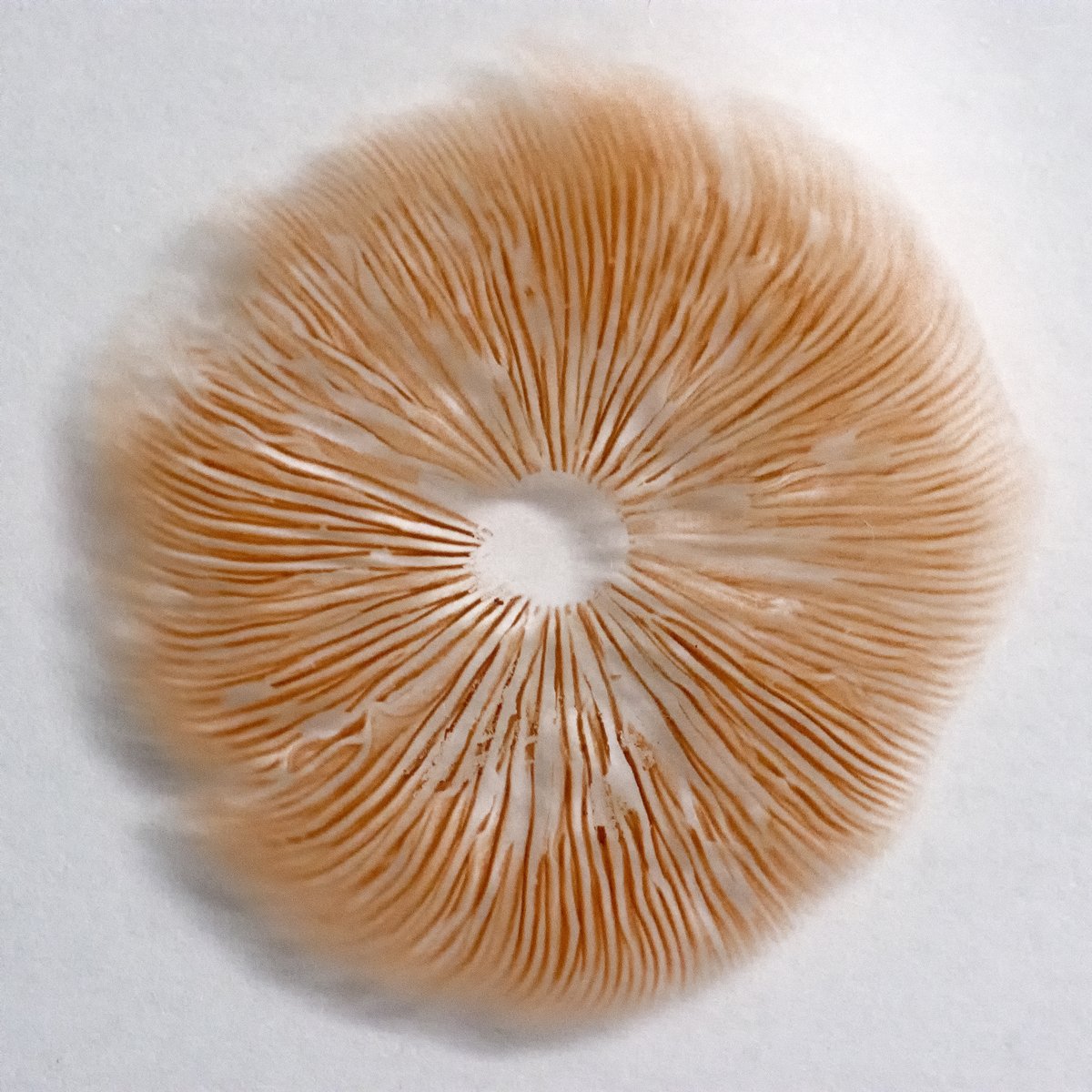
Spore colour is one of the most reliable identification features. To determine it, make a spore print: cut off the cap of a mature specimen, place it gill-side down on a piece of paper (half white, half black to catch both light and dark spores), cover with a bowl, and wait several hours or overnight.
The spores will drop onto the paper, revealing their colour. Spore colours range from white, cream, and pale yellow to pink, brown, rust, purple-brown, and black. This single piece of information can narrow down the genus of a mushroom significantly.
Field Identification Tips
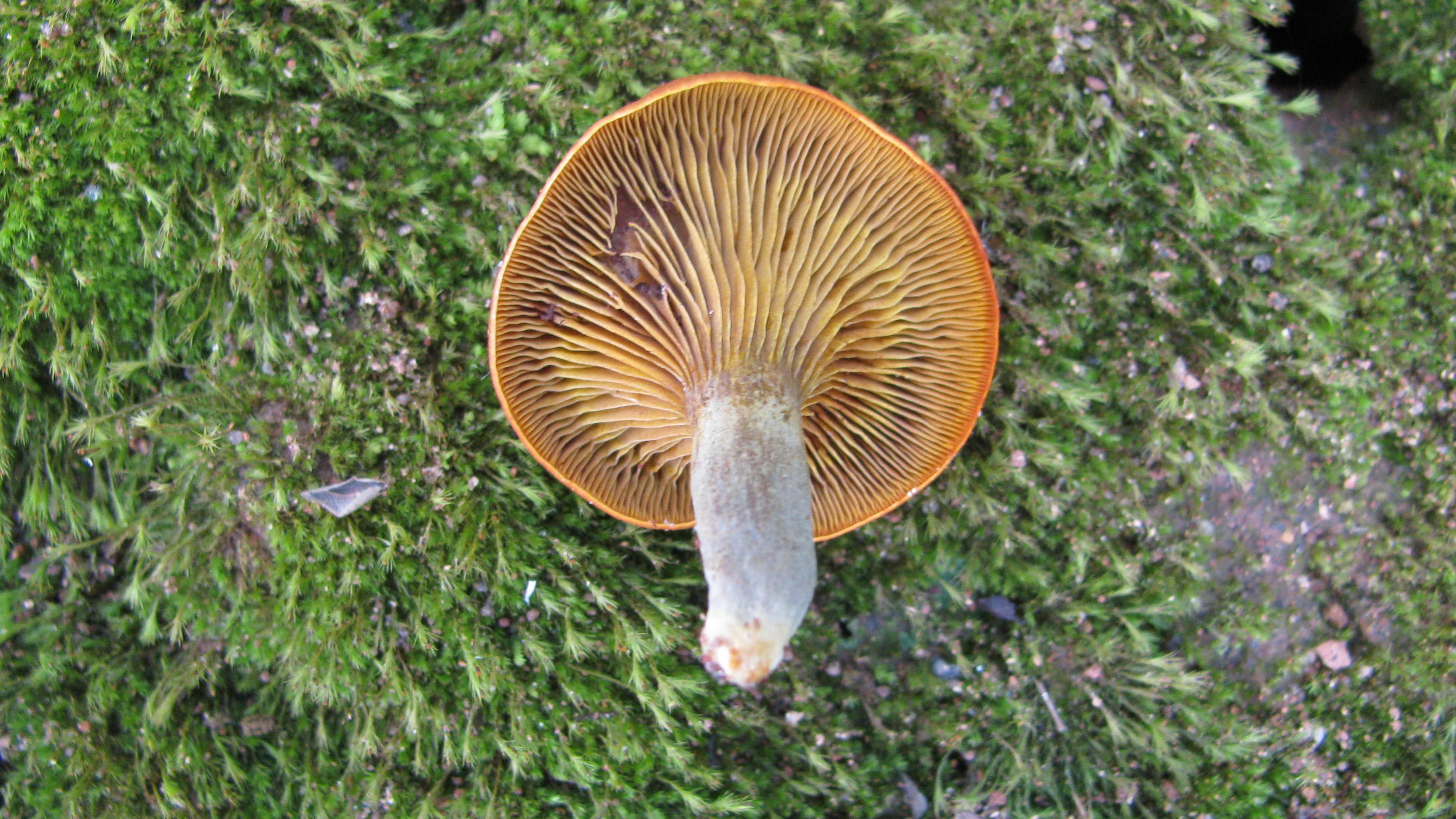
Always examine multiple features: cap shape and colour, gill attachment and colour, stalk features, presence of ring or volva, spore colour, smell (some mushrooms smell like anise, meal, or radish), and habitat (what trees are nearby, what substrate is it growing on).
Take photos from multiple angles — top of cap, underside showing gills, full stalk including the very base (dig carefully), and the surrounding environment. This is exactly what Orangutany is designed to work with.
Remember: no single feature is enough for a confident identification. It is the combination of many features, along with habitat and season, that allows a mushroom to be identified. When in doubt, leave it — never eat a wild mushroom unless you are absolutely certain of its identity.
By the Orangutany Team
Always verify identifications with local experts before consuming wild mushrooms. No app or article is a substitute for hands-on experience and expert guidance.
← More articles