
A Seasonal Foraging Calendar
Know what to look for and when. A month-by-month overview of the mushroom year for temperate North American climates.
Spring (March–May)
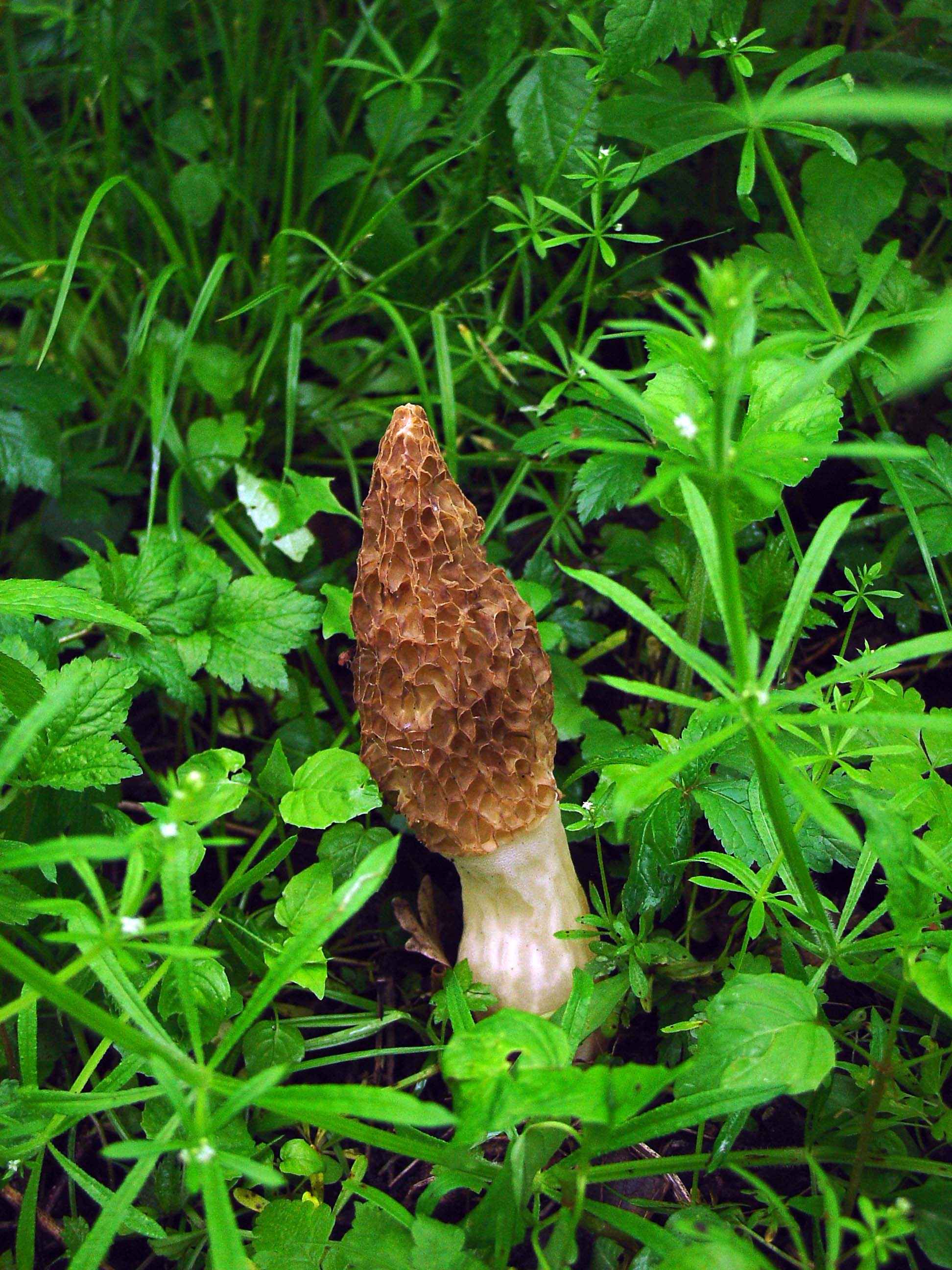
The mushroom year begins with morels — the most celebrated spring mushroom. Look for them in disturbed soil, old apple orchards, near dying elms, and in areas burned the previous year. Oyster mushrooms also fruit on dead wood in spring. Dryad's Saddle (Pheasant Back) appears on hardwood logs and stumps. As temperatures warm, early polypores begin appearing on fallen trees.
Summer (June–August)
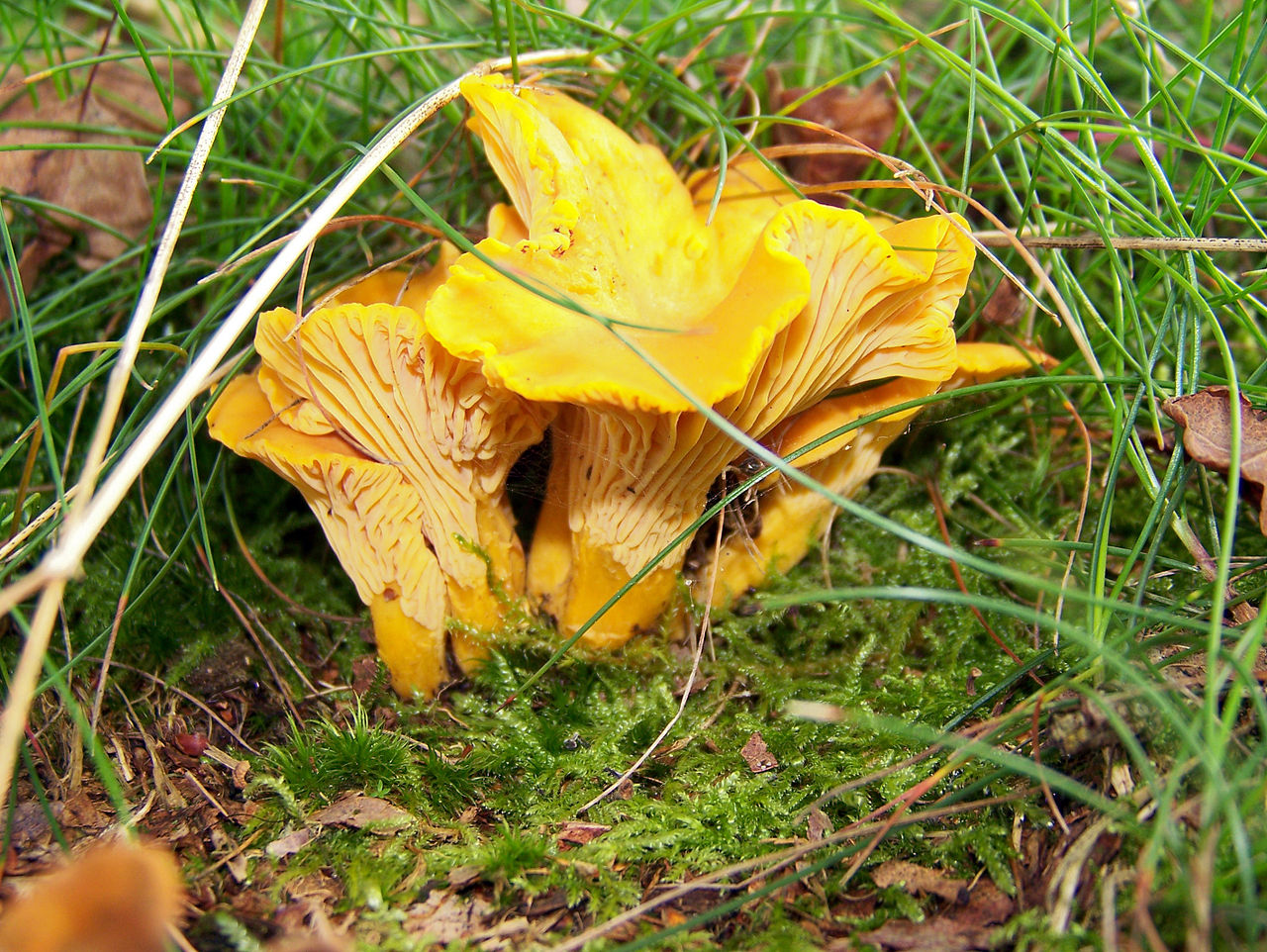
Chanterelles begin appearing in mid-summer, often after warm rains, in hardwood and mixed forests. Boletes (including porcini in some regions) fruit under oaks and conifers. Chicken of the Woods makes its first appearance on hardwood trees. Amanitas (both deadly and edible species) emerge in wooded areas. Summer is also prime time for many small, often overlooked species in leaf litter and on dead wood.
Autumn (September–November)
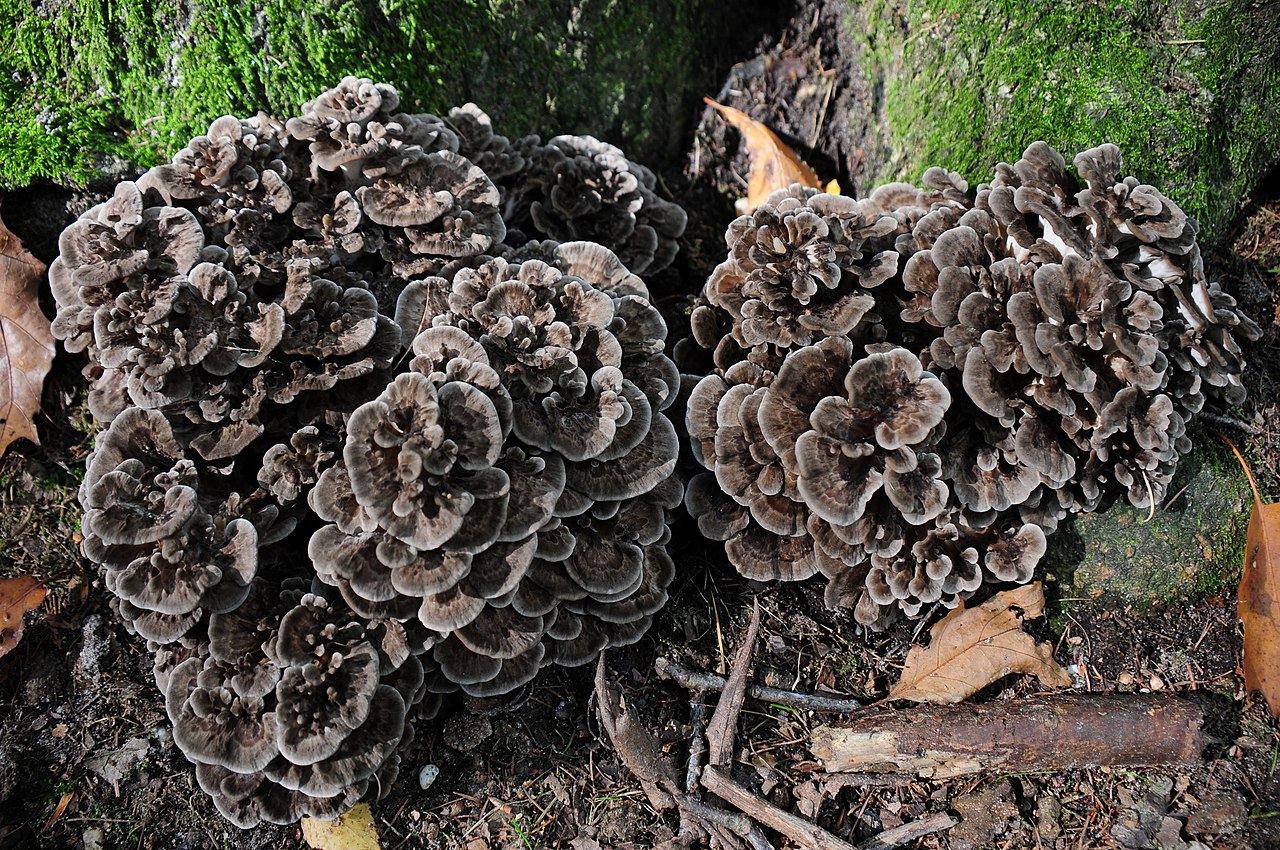
The peak season for mushroom diversity. Hen of the Woods (Maitake) appears at the base of old oaks. Porcini and chanterelles continue. Honey mushrooms fruit in large clusters on dead wood. Giant puffballs appear in meadows and lawns. Lobster mushrooms glow orange in the forest. Lion's Mane grows on dead hardwood. Late autumn brings blewits and wood blewits in leaf litter. This is the season that rewards dedicated foragers most richly.
Winter (December–February)
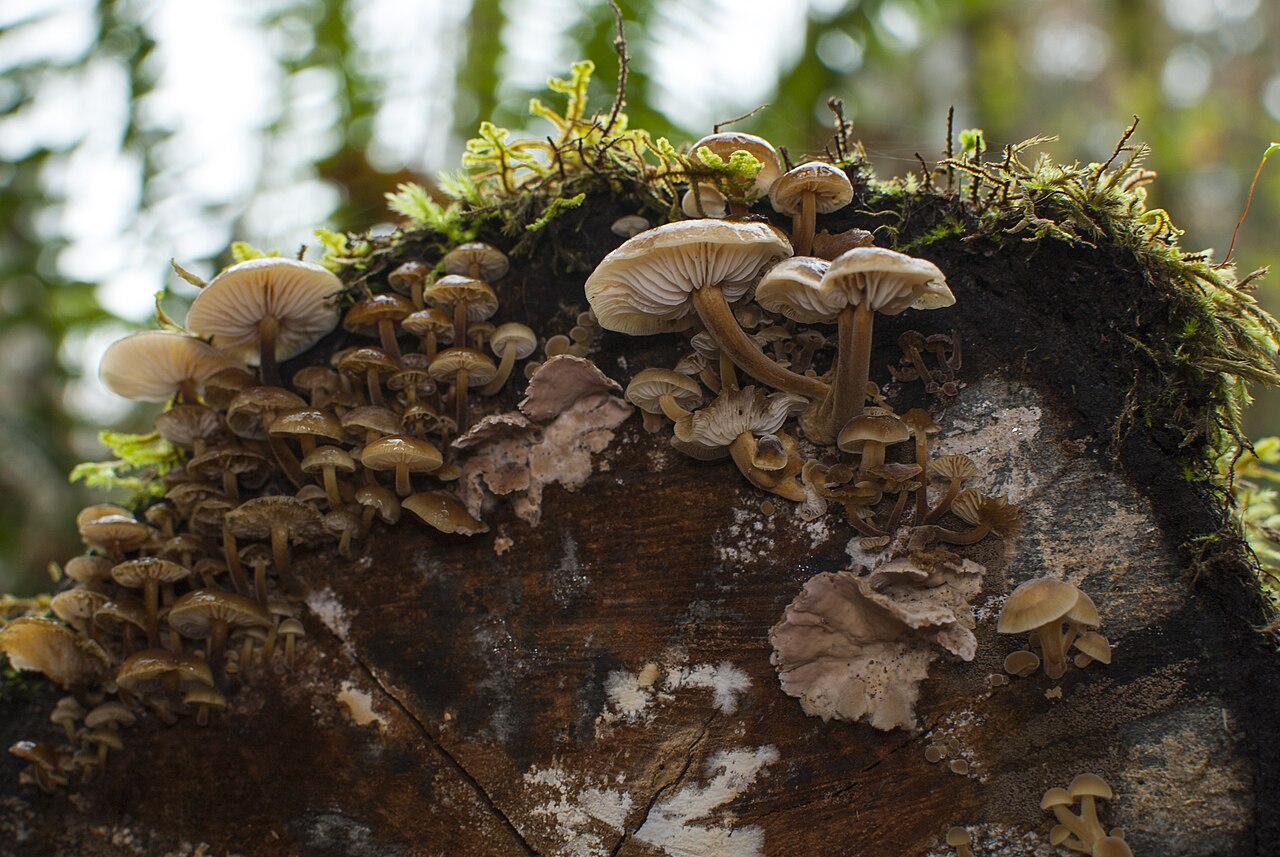
The quietest season, but not entirely barren. Oyster mushrooms can fruit on dead wood even after frost. Velvet Shank (Flammulina velutipes) — the wild relative of enoki — fruits on dead hardwood in cold weather, sometimes even through snow. Turkey Tail and other tough polypores are visible year-round on logs. Winter is an excellent time to study tree bark, fallen wood, and lichen — and to plan your spring foraging routes.
By the Orangutany Team
Always verify identifications with local experts before consuming wild mushrooms. No app or article is a substitute for hands-on experience and expert guidance.
← More articles