
Types of Mushrooms
A guide to the major groups of mushrooms you'll encounter in the wild — from gilled mushrooms and boletes to puffballs, morels, and coral fungi.
Gilled Mushrooms
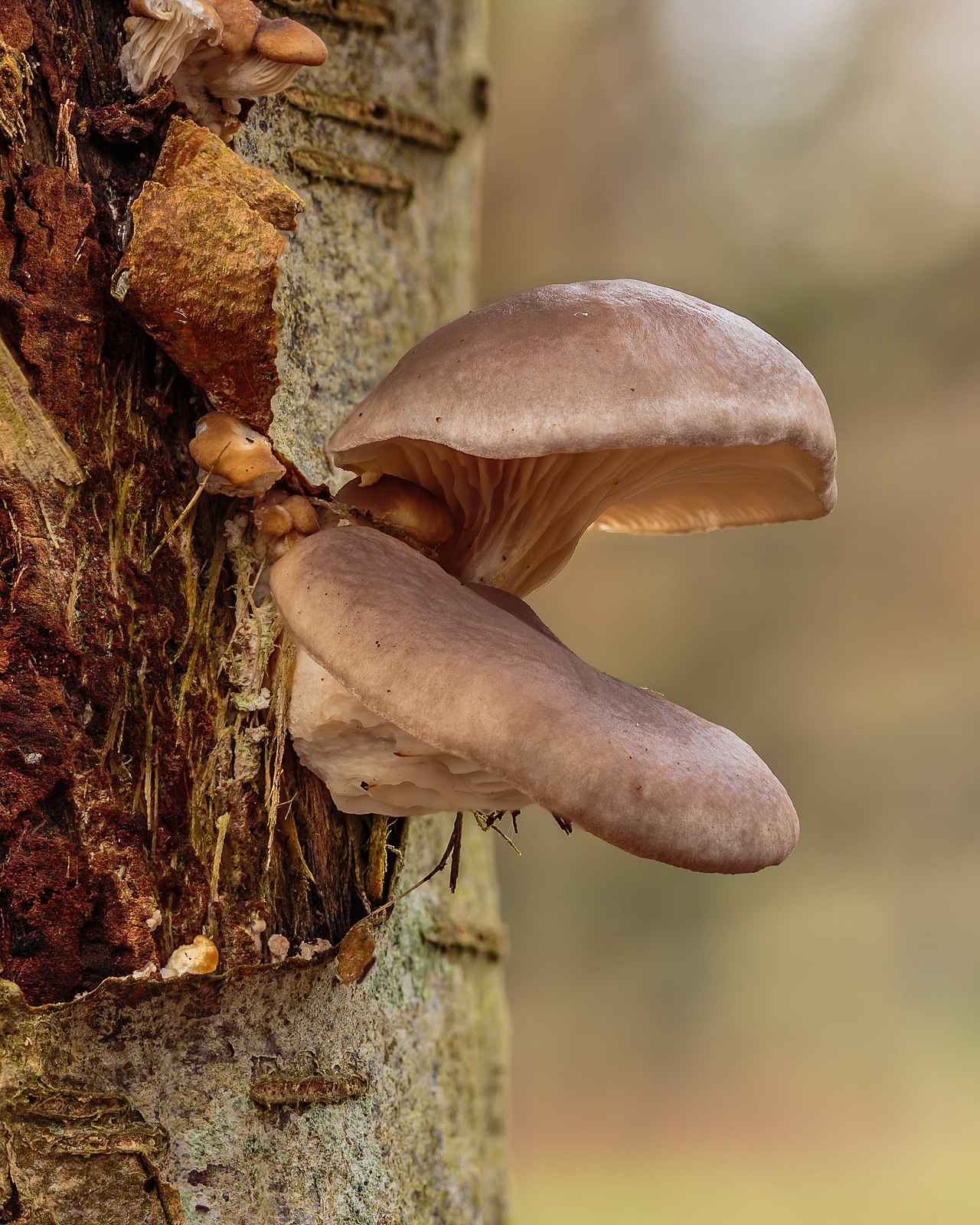
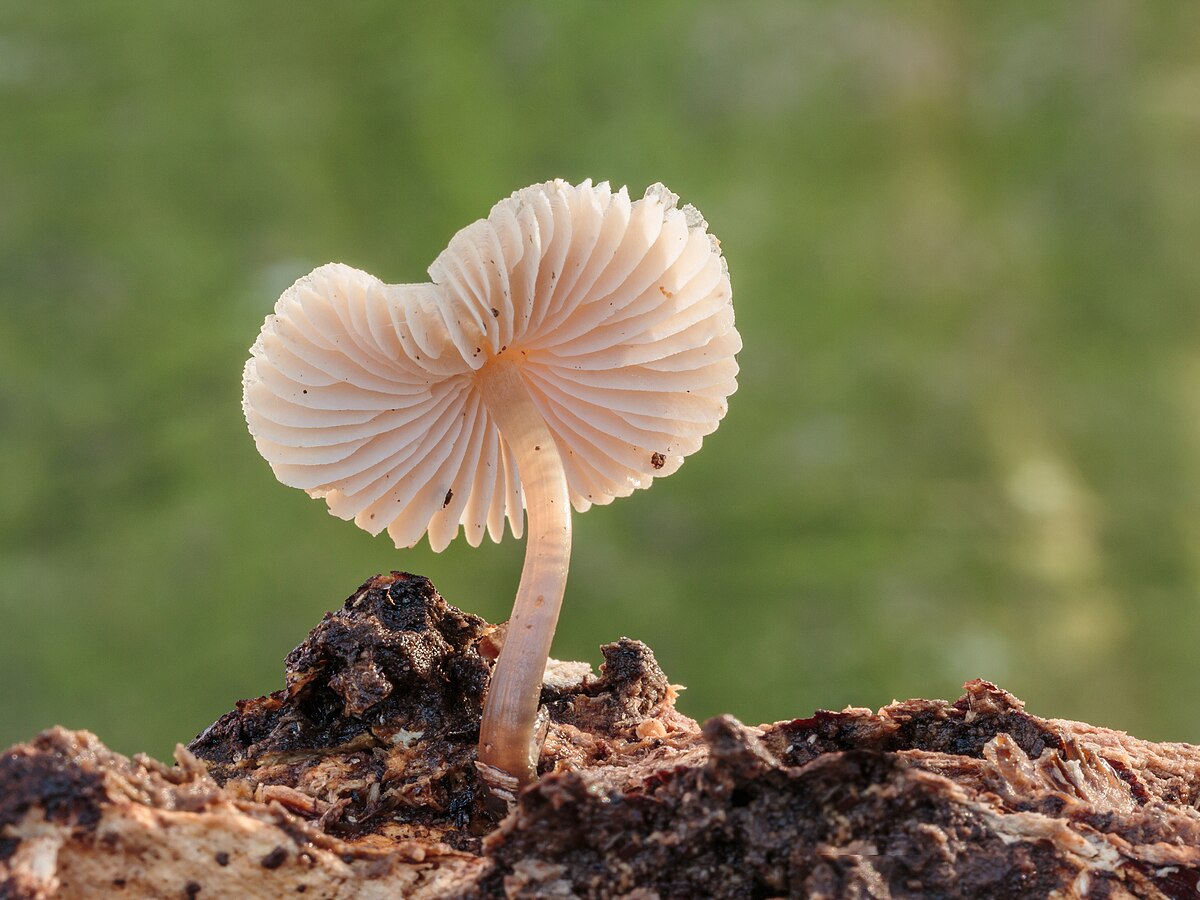
The classic mushroom shape: a cap on a stalk with thin blade-like gills underneath. This is the largest and most diverse group, including edible species like chanterelles and oyster mushrooms, as well as deadly ones like the Destroying Angel. The gills produce and release spores. Some gilled mushrooms also have a ring (annulus) on the stalk and a cup (volva) at the base — features critical for identification.
Boletes
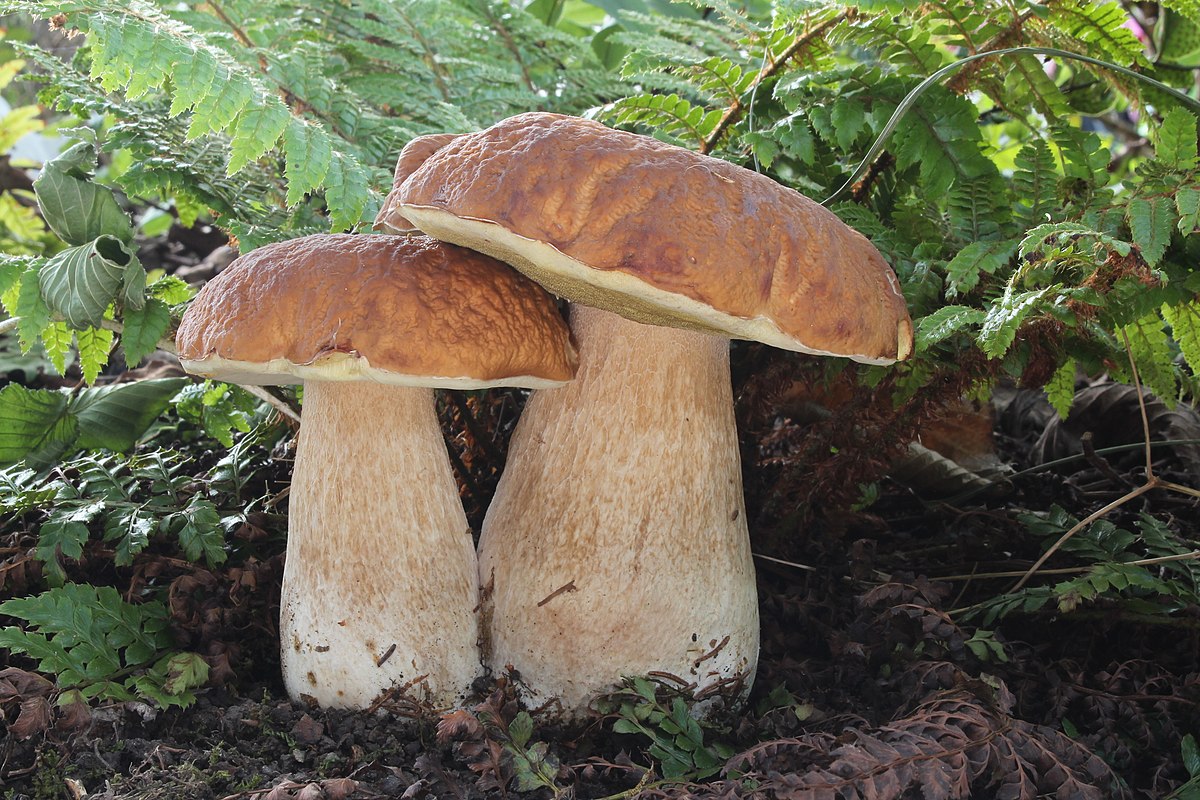
Boletes look similar to gilled mushrooms but instead of gills, they have a sponge-like layer of tiny tubes underneath the cap. The tube mouths appear as pores when viewed from below. Many boletes are prized edibles — the famous porcini (Boletus edulis) is a bolete. A general rule of thumb: boletes with red or orange pore surfaces should be avoided, as some are toxic.
Polypores (Bracket Fungi)
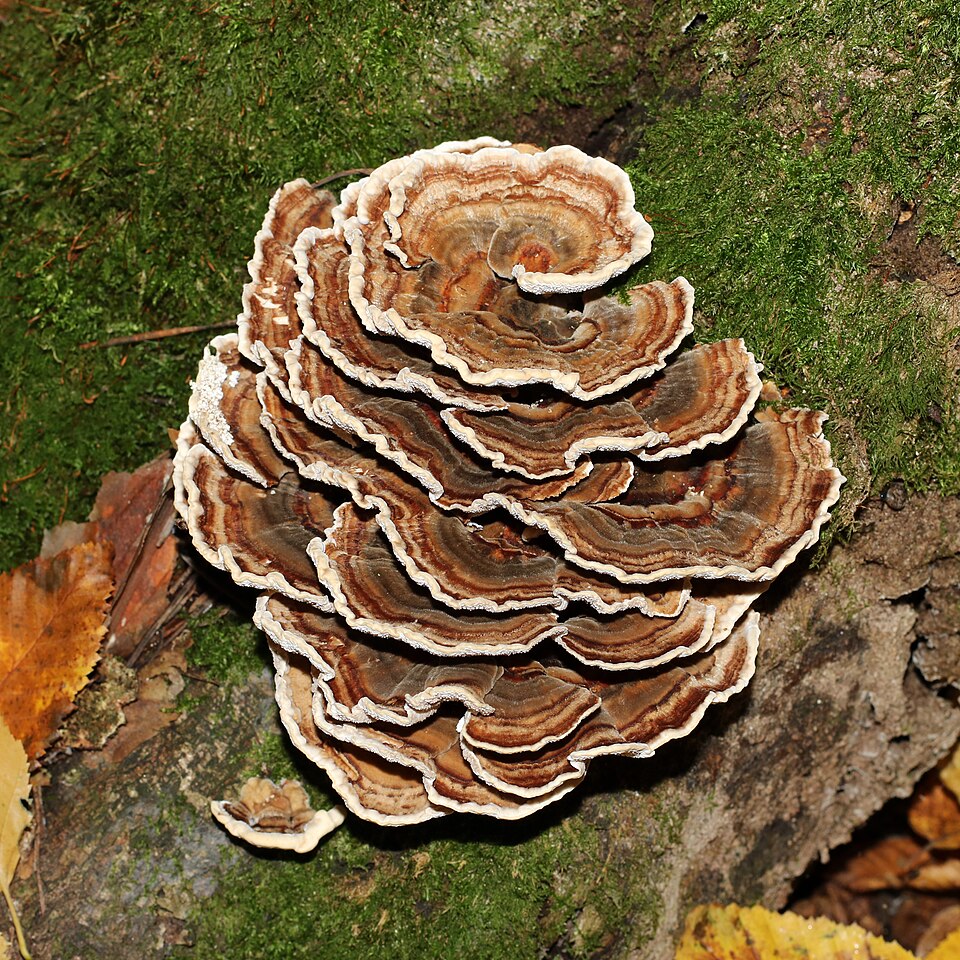
Polypores are tough, shelf-like fungi that grow on wood. Like boletes, they have pores, but they are typically woody or leathery in texture and lack a distinct stalk. Many are perennial, growing larger each year. Turkey Tail (Trametes versicolor) is one of the most common — look for its colourful concentric bands on dead logs.
Puffballs
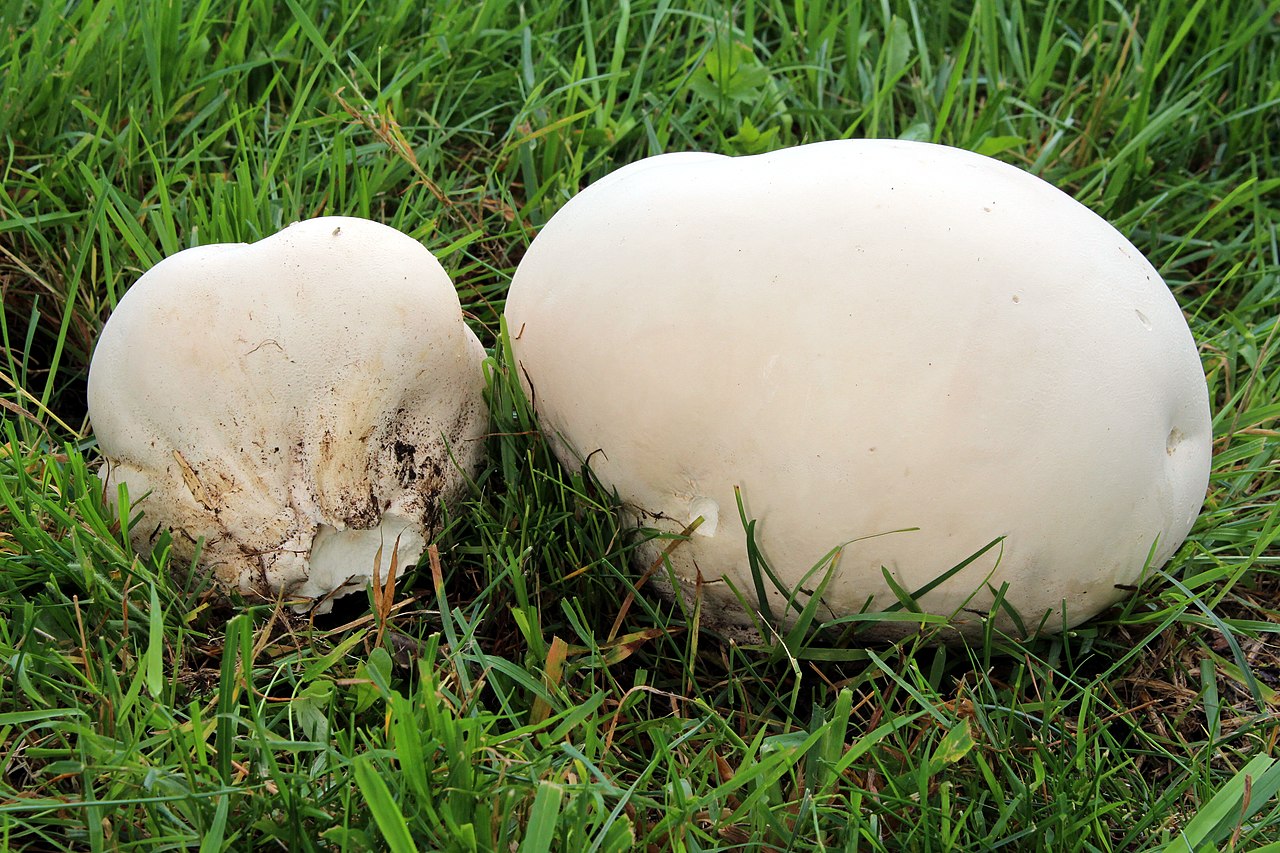
Round, often white fungi that release clouds of spores when mature. Giant puffballs (Calvatia gigantea) can grow to the size of a football and are edible when the interior is pure white. As they age, the interior turns yellow, then olive-brown with billions of powdery spores. Always slice puffballs open to check — the interior should be uniformly white with no outline of a developing mushroom inside.
Morels
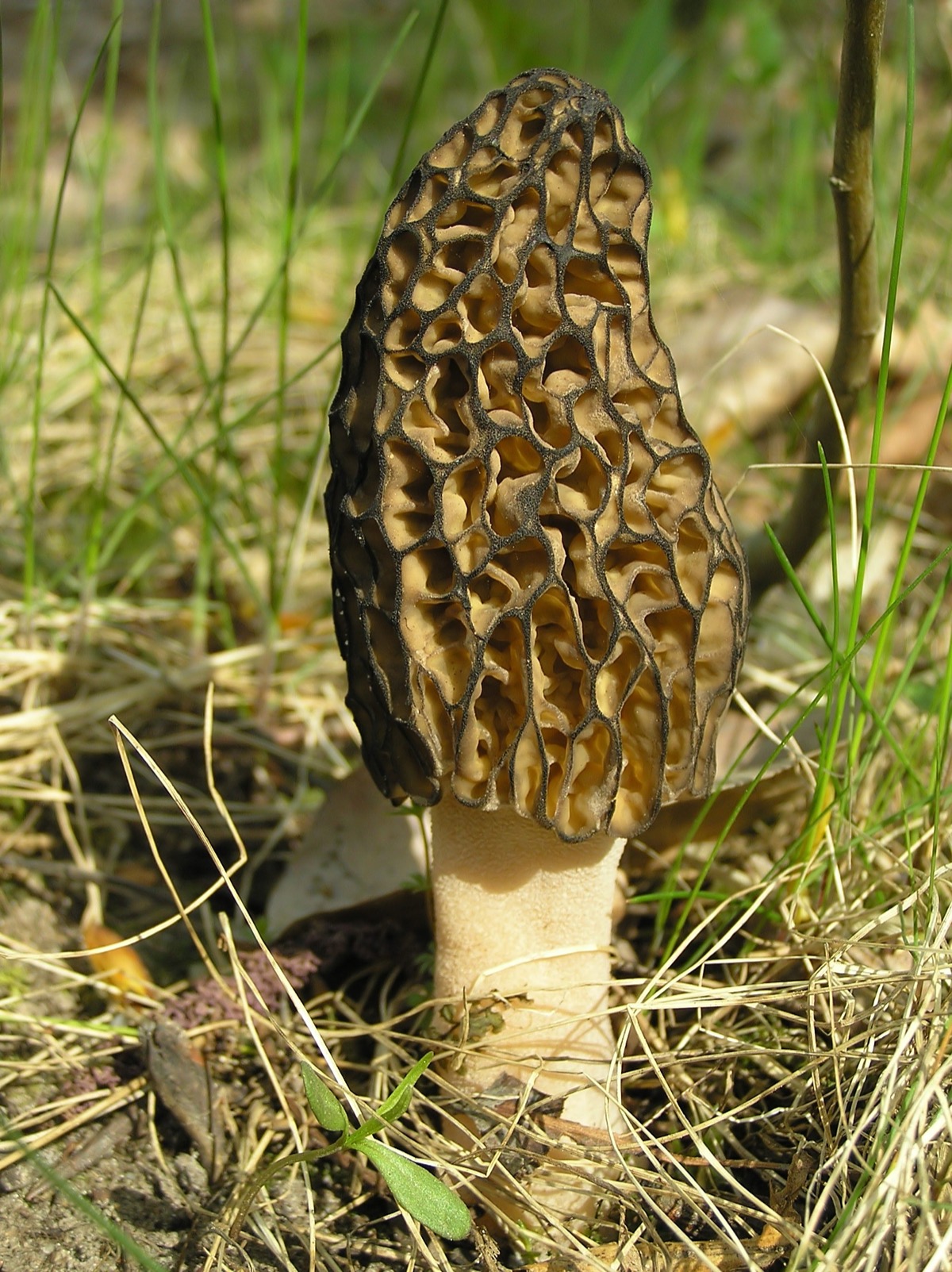
Highly prized edibles with distinctive honeycomb-patterned caps. True morels (Morchella species) are hollow from top to bottom when sliced in half. They fruit in spring, often after forest fires or in disturbed soil. Beware of false morels (Gyromitra species), which have brain-like wrinkled caps and contain toxins — they are not hollow inside.
Other Types
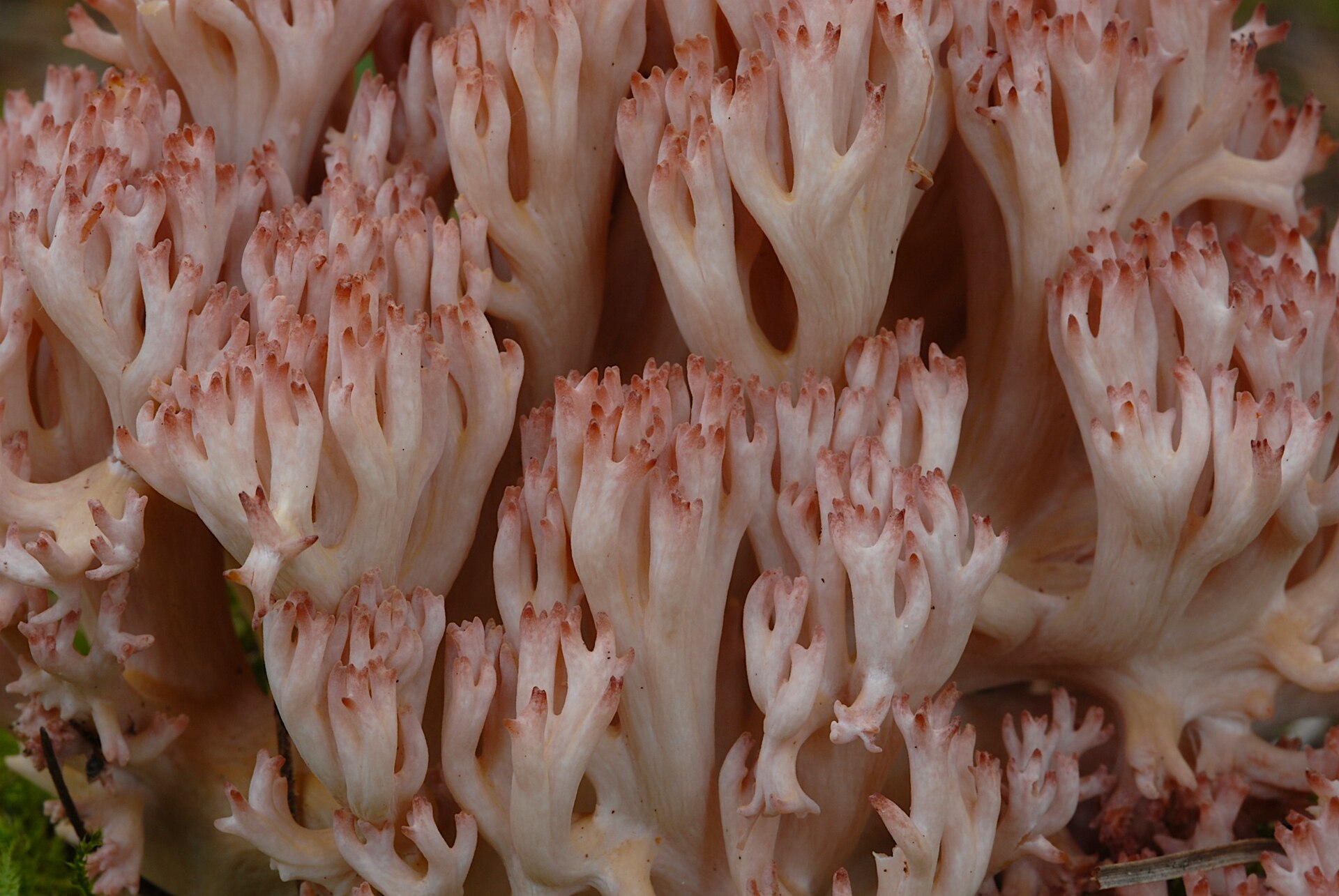
The fungal world extends far beyond these common groups. Coral fungi branch upward like underwater coral. Tooth fungi have spine-like structures hanging below the cap — Lion's Mane is a spectacular example. Stinkhorns emerge from egg-like structures and produce foul-smelling slime to attract insects that spread their spores. Bird's nest fungi look like tiny cups filled with eggs. Jelly fungi are translucent and gelatinous. Cup fungi form small bowl-shaped fruiting bodies. Each group has evolved unique strategies for producing and dispersing spores.
By the Orangutany Team
Always verify identifications with local experts before consuming wild mushrooms. No app or article is a substitute for hands-on experience and expert guidance.
← More articles